VICES – Volcanic Impacts on Climate, Environment and Society
Prof. Dr. Heli Huhtamaa, Dr. Zhen Yang, M.A. Niklaus Bartlome, M.Sc. Richard Warren
Large volcanic eruptions can have a substantial impact on climate and these climatic disturbances can, in turn, have severe human consequences far away from the eruption location. In order to understand these far-flung eruption-climate-society causalities better, we have to look further back in time, as our recent past has witnessed only a limited number of large eruptions.
In this interdisciplinary project, we investigate the climatic and societal effects of past volcanic eruptions, from the late medieval times to the modern era. We are collaborating closely with other research groups at the Oeschger Centre for Climate Change Research, particularly with the Past volcanism and climate impact and the Climatology groups.
We have a special interest on the indirect climatic and societal effects, like dynamical winter climate responses, administrative reactions and grassroots coping outcomes. Moreover, we are investigating to what degree the detected societal effects can be attributed to volcanic-induced climatic disturbances, and to what degree existing socio-environmental conditions and emerging human actions explain these events. To do this, we are conducting systematic longitudinal case studies, covering multiple volcanic eruptions, and compare the climatic and societal impacts associated with different eruptions over time. The novel material for our project comes from written historical sources, whereas our collaborators provide the data captured in the ‘archives of nature’, such as in tree rings, ice layers and sediment varves.
More information can be found here.
Restricted walking
History of pedestrian mobility in the automotive age (Switzerland, 1920-2020)
This research project examines the evolution of walking in an era of increasing motorization by analyzing public discourse on pedestrians, pedestrian activism, and the development of pedestrian infrastructure. The project begins in the 1920s, when authorities in Western societies began to push pedestrians off the streets, and extends to the year 2020, when the pandemic altered mobility trends and contributed to the promotion of walking. This study aims to shed light on the impact of discourses about pedestrians as well as on factors that divided public space among different uses.
The aim of this project is to analyze the evolution of the legitimacy of pedestrian traffic in public spaces in Switzerland between 1920 and 2020 by examining two key areas: discourses about pedestrians and pedestrian infrastructure. This project examines pedestrians exclusively in the context of the development of motorized private transportation and builds on research into the political history of the automobile in Switzerland.
More information can be found here.
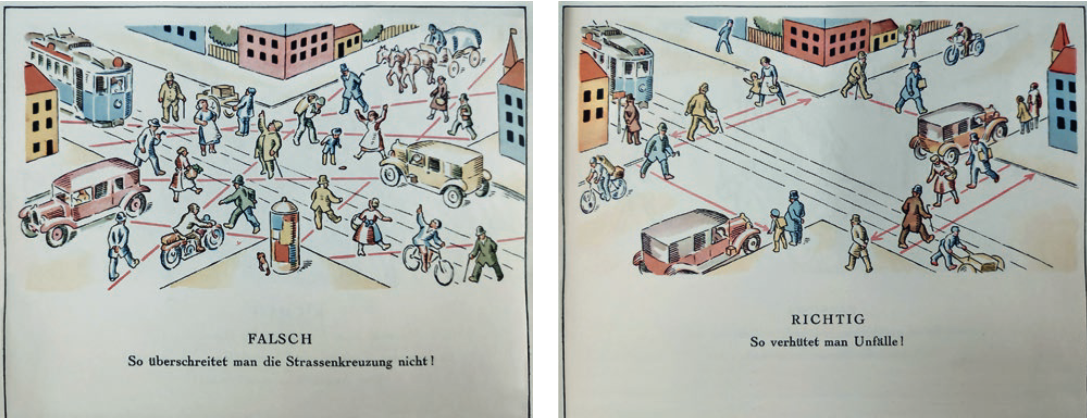
At the Crossroads of Commodity Frontiers: Food, Agriculture, and the Environment in Switzerland in the Age of Global Capitalism, 1870s-1930s
Since the Swiss economy was already closely integrated with the global economy as early as the 19th century, it offers a unique case study for analyzing how earlier societies dealt with the challenges of globalization and industrialization in the areas of agricultural production, food supply, and environmental impact. The research project focuses in particular on three “commodity frontiers”: the milk/cheese frontier, the grain frontier, and the livestock/slaughter cattle frontier.
The questions raised in this research project point to some of the critical issues facing our world today. Debates about the ecological footprint of advanced industrial societies such as Switzerland, about the opportunities and risks of globalization, and about the role of agriculture and food consumption in finding ways out of the unsustainable development of today’s society have sparked public interest in the historical roots of these current phenomena. The project promises new insights and historical context regarding the economic and ecological challenges facing contemporary societies.
More information can be found here.
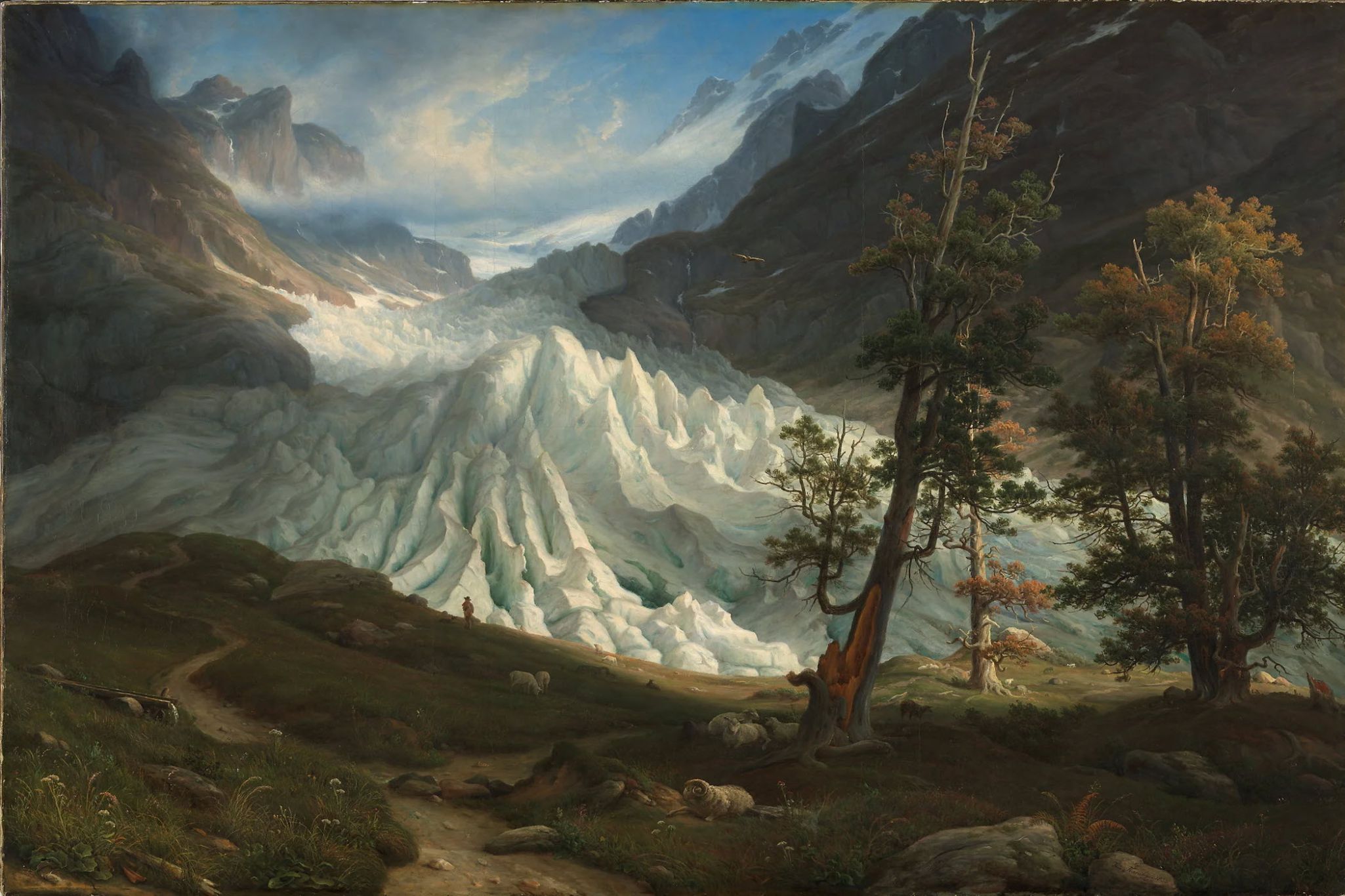
Euro-Climhist – Ways to Weather Hindcasting
Project management: Prof. Dr. Christian Rohr
Human-documented weather records — whether described in detail, noted in passing, or measuredn — are among the most important sources of climate history. Climate refers to the (statistical) summary of weather events at a specific location over a long period of time, i.e., thirty years or more, whereas human life follows the rhythm of weather patterns spanning a few days or weeks. Euro-Climhist makes historical weather and climate data accessible via a user-friendly search function, including daily weather data as well as extreme events and their impacts on human societies and long-term climate trends. The sources range from private weather diaries and early measurement data to glacier images and records of annual grain harvests. The project began in the late 1980s and has been repeatedly adapted to new technical capabilities and expanded in scope. It includes results from research projects at the University of Bern as well as those from partners across Europe.
Further Information about the project on the Euro-Climhist Website.
Votive Tablets: Evidence of Religious Prevention and Coping with Threatening Natural Hazards
Floods, storms, landslides, and avalanches have always endangered people, and the threat posed by such events is more present today than ever before.
How did and do historical and contemporary societies cope with such threatening events? What role did and do religious practices play alongside measures such as resettlement or structural adjustments?
The postdoctoral project “Votive Tablets: Evidence of Religious Prevention and Coping with Threatening Natural Hazards” examines religious strategies for dealing with extreme natural events in German-speaking regions in the early modern period. A particular focus is placed on the analysis of votive images, which, among other things, provide insight into the role of religion in the prevention and coping with extreme natural events on a material and visual level.
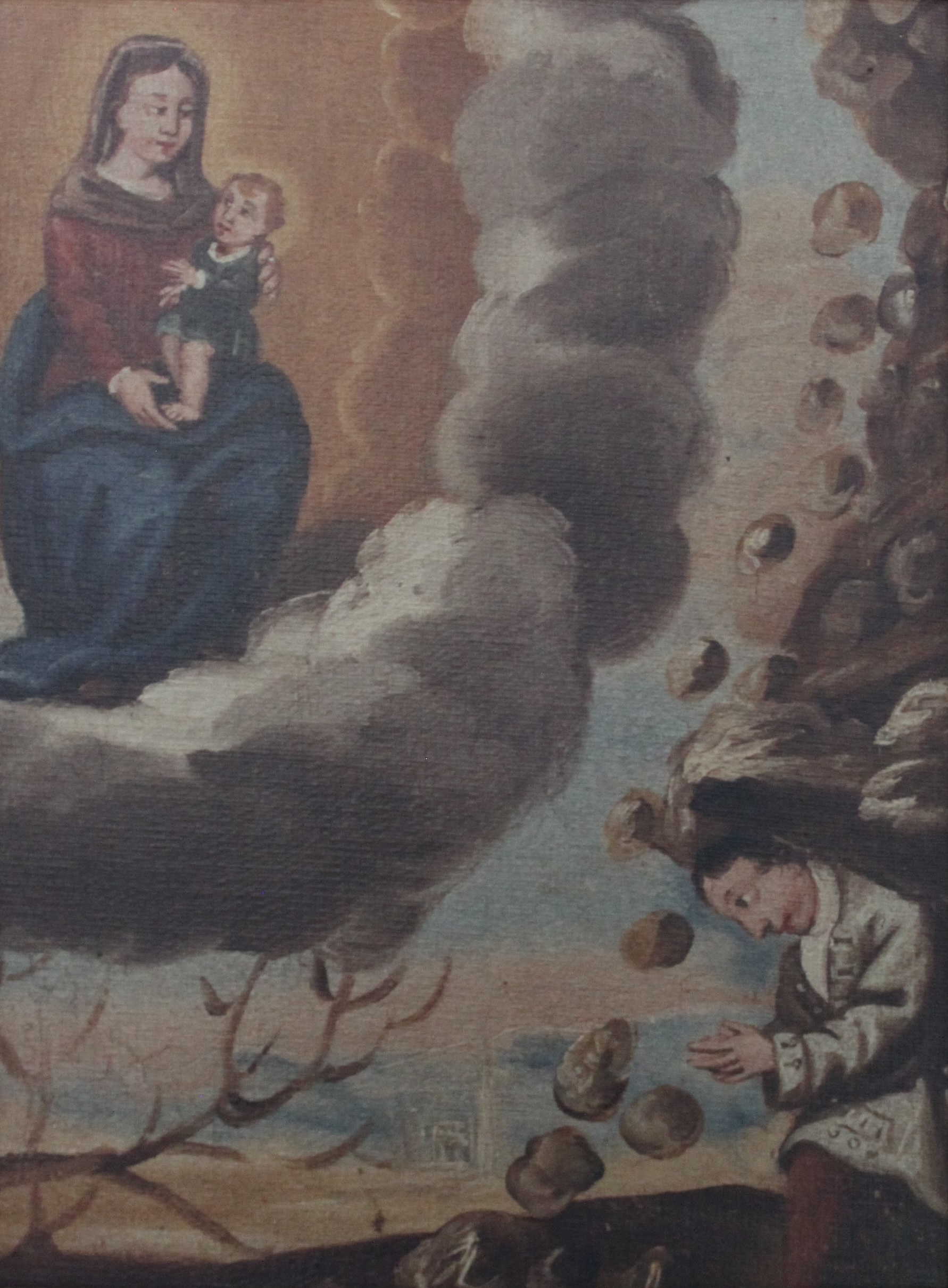
Votive tablet in the Maria Hilf forest chapel near Ernen (VS), undated. Private photograph, 2025