HyMes: Hydrography of Mesopotamia.
Rivers and Channels in Babylonia from the 4th to 1st Millennium BCE
Prof. Dr. Mirko Novák, Prof. Dr. Andreas Zischg, Prof. Dr. Rita Gautschy, PD Dr. Ingo Schrakamp
Mesopotamia plays a prominent role in human history. It was here, in the south of present-day Iraq, that the first complex urban societies emerged in the 4th millennium Before Our Era (B.O.E.), and a literate culture developed.
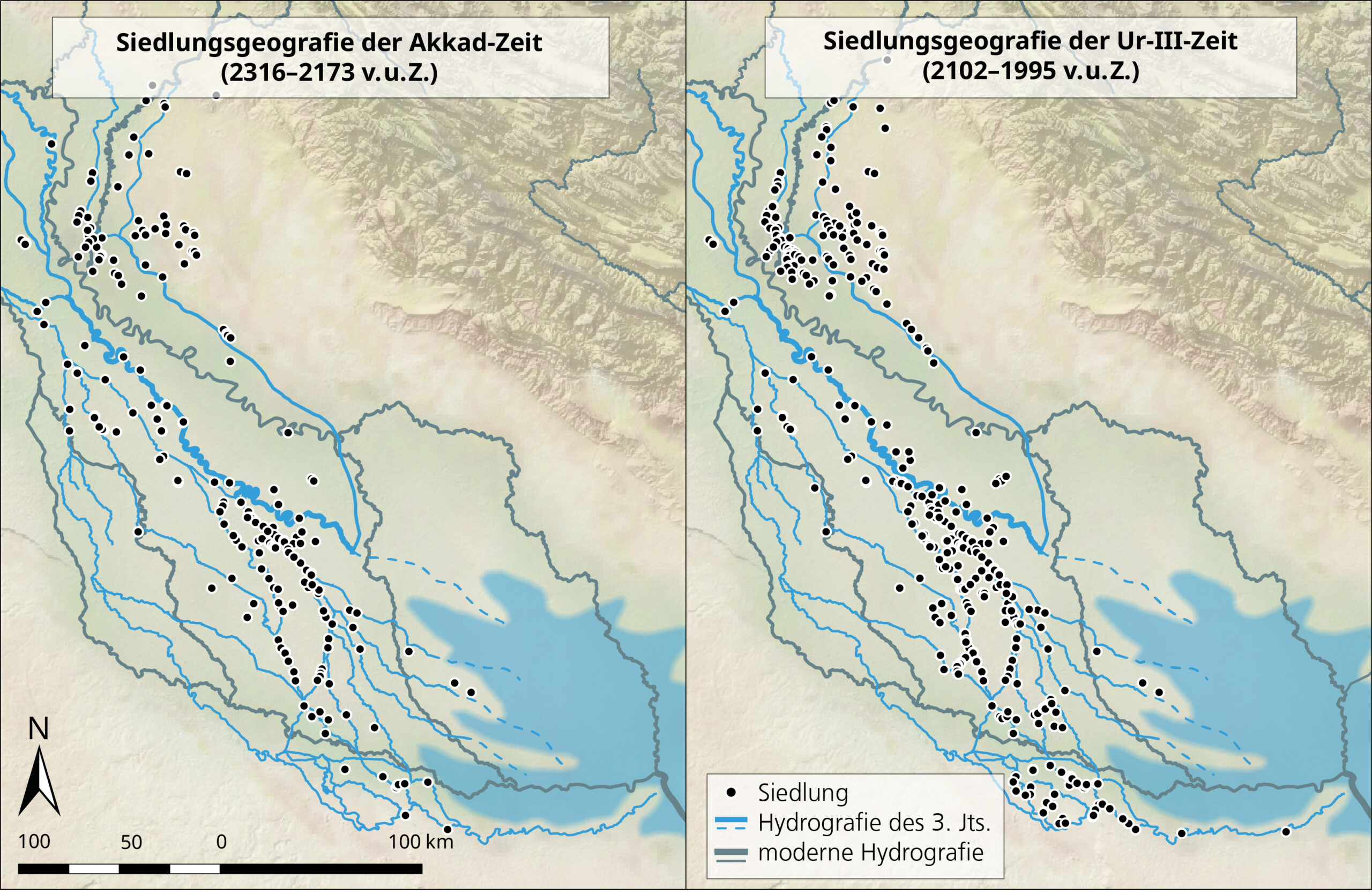
Due to the arid climate, the Euphrates and Tigris are the lifelines of a cultural region where life would otherwise be impossible. Aerial and satellite images clearly show that the landscape has changed repeatedly over the millennia as the rivers have shifted course. The location of settlements has also changed along with the rivers, as examples from the end of the 3rd millennium BCE demonstrate.
The HyMes project aims to draw conclusions about how the ancient river system contributed to social, political, and technological developments in Mesopotamia. How did humans and the environment influence each other? When did river shifts and flooding lead to the abandonment of settlements? To what extent was new land made available for settlement through canals and irrigation systems?
This transdisciplinary project, involving research groups from archaeology, geography, philology, and the digital humanities, brings together archaeological, geological, and textual evidence. Hydraulic modeling helps calculate water volumes and determine the sizes of fields that could have been irrigated with them. Paleochannels, supplemented by elevation profiles, provide information about ancient watercourses. Dating archaeological sites helps determine the periods during which watercourses were in use. Information from cuneiform texts complements the model, thereby revealing historical connections. In this way, a tool is created that allows us to better understand the historical development of the landscape in the Mesopotamian floodplain.
The entanglement of landscape, society and livestock: animal husbandry in Late Bronze Age Cyprus
The project is part of the SNSF Starting Grant Understanding Socio-Economic Complexity in the Eastern Mediterranean during the 2nd Millennium BCE, with Dr. Anna Spyrou as a co-investigator.
The entanglement between society and livestock is a defining feature of all farming communities, and it is particularly pronounced in small-scale, pre-industrial societies, where animals and their products play a fundamental role in both economic and social transactions. In such contexts, farming practices are shaped by environmental constraints and opportunities, societal needs, and social structures, as reflected in diet, production, processing and distribution, land use, mobility patterns, property relations, and the division of labour.
The aim of the project is to better understand the nature and level of organisation of the Cypriot Late Bronze Age (LC) society. Consequently, this interdisciplinary project seeks to address the following research questions:
- How were animal production, distribution, and consumption organized across LC sites?
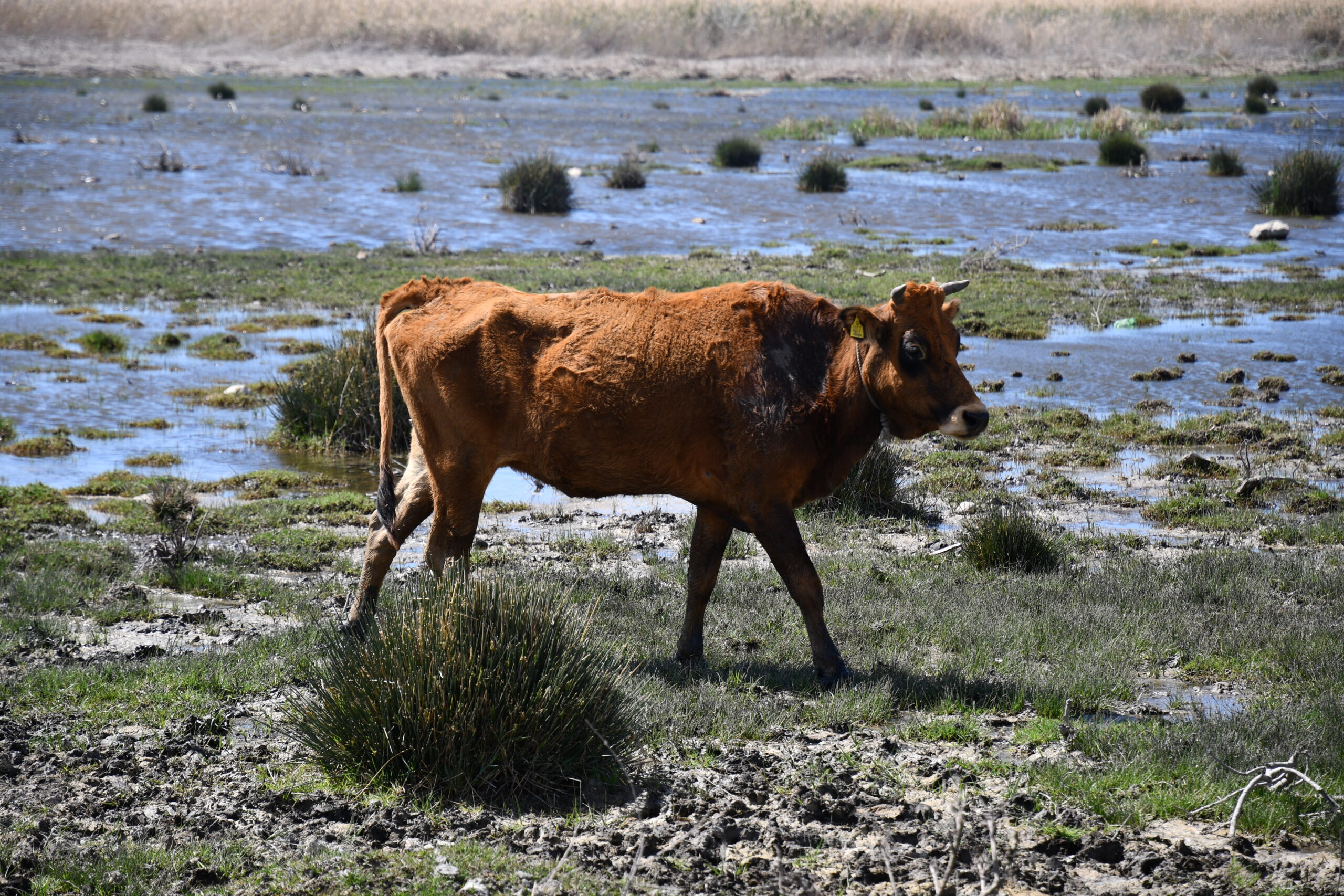
- Which were the main resources exploited for cattle?
- How was livestock movement structured within the wider LC landscape?
- How can the information provided by zooarchaeological analysis contribute to the broader understanding of economy, landscape and societal organisation?
Textile Landscapes of Cyprus: Resources and Strategies for Textile Production from the Bronze Age to the Hellenistic Period
Textile Landscapes of Cyprus (TeLaCY) is a SNSF Swiss Postdoctoral Fellowships project. It aims to synthesise and model the resources and productive strategies behind ancient textile manufacture in Cyprus within the long term by incorporating landscape analysis into textile studies. Textile production bears social and economic importance, and it is suggested that in the course of the investigated period from the Bronze Age (ca second half of second millennium BCE) to the Hellenistic Period (ca 4th to 1st century BCE), it developed to a specialised level producing a surplus and/or value. This manufacture likely depended on the extensive use of natural resources.
The key questions driving this multidisciplinary research are:
- What were Cyprus’s textile production strategies and specific needs?
- Did the island possess all the necessary resources and the capacity for managing them?